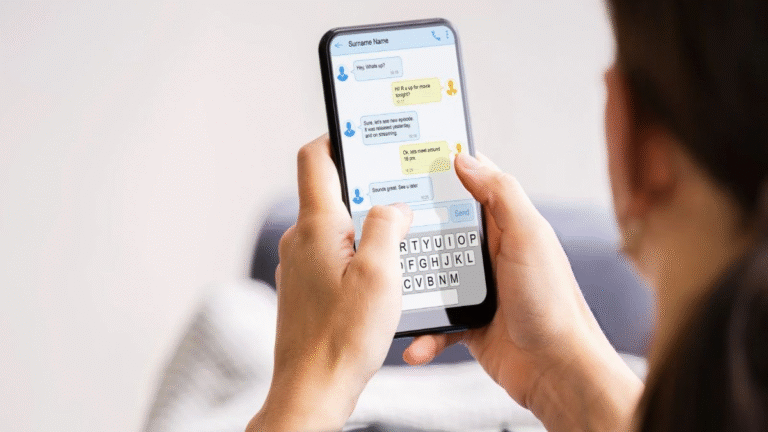

How to Text a Girl After Two Weeks of No Contact (Without Ruining Your Chances)
Imagine this scenario: It’s 11:47 PM, and you’re staring at your phone screen, her contact pulled up. Two weeks have passed since your last conversation ended on an awkward note. Your thumb hovers over the keyboard, a dozen different opening lines racing through your mind.
“Hey, how have you been?” feels too generic, while “Sorry for the silence” sounds desperate. You delete, type, and delete again.
You’re not alone in this digital dilemma. In our hyper-connected world, the silence that follows a period of regular communication can feel deafening. The fear of appearing needy, desperate, or intrusive after such a break creates a paralyzing cycle where good intentions get lost in overthinking.
This article delves into the psychology of reconnection, shedding light on the common pitfalls people encounter in this situation. It offers science-backed strategies to re-establish meaningful contact without compromising your dignity or her comfort.
We’ll explore the optimal timing for reaching out, the appropriate language to use, and the natural process of rebuilding the connection.
Understanding Reconnection After Silence in Modern Love
How to Text a Girl After Two Weeks of No Contact
No-contact periods in relationships aren’t just modern dating phenomena – they’re deeply rooted in human psychology. According to attachment theory developed by John Bowlby, our brains are wired to maintain connections with people we care about. When communication suddenly stops, it triggers what psychologists call “protest behaviors” – the urge to reach out and restore the bond.
Dr. Helen Fisher’s research on brain chemistry reveals that when we’re separated from someone we’re interested in, our dopamine levels fluctuate dramatically. This creates a push-pull dynamic where silence can actually increase attraction through the psychological principle of intermittent reinforcement – the same mechanism that makes gambling addictive.
A 2023 study published in the Journal of Social and Personal Relationships found that 73% of people who experienced a communication gap of 10-21 days reported increased curiosity about the other person, suggesting that strategic silence can actually work in your favor when handled correctly.
The Modern Context: Digital Communication Pressure
In today’s instant-message culture, a two-week silence carries a different weight compared to a generation ago. We’re accustomed to constant communication, making any gap feel more significant than it truly is. Social media exacerbates this by offering glimpses into each other’s lives without direct interaction, creating what researchers refer to as “ambient awareness.”
Common Challenges Around Reconnecting After No Contact
Sarah and Mike’s Story: When Silence Speaks Louder Than Words
Sarah, a 28-year-old marketing professional, had been texting Mike regularly for about a month. Their conversations flowed naturally, ranging from shared Netflix recommendations to deeper discussions about career aspirations.
However, after a particularly vulnerable conversation where Sarah expressed her anxiety about a family matter, Mike’s responses became shorter and less frequent. Within three days, their communication completely ceased.
Two weeks later, Mike realized he had withdrawn not because he lacked interest, but because he felt overwhelmed by the emotional intimacy and was unsure of how to respond appropriately. Meanwhile, Sarah misinterpreted his silence as rejection and began second-guessing every message she had sent.
This scenario illustrates the most common challenges people face:
The Assumption Trap: Both parties create narratives about why the other person went silent, often assuming the worst. Research from the University of Chicago reveals that we tend to overestimate how negatively others perceive us by an average of 40%.
The timing of reconnection is crucial. Waiting too long can make the silence feel more significant, while reaching out too soon may appear desperate. The “Goldilocks Zone” for reconnection exists, but it varies depending on the relationship’s past intensity and the reason for the silence.
The longer the silence, the more pressure we place on the “perfect” message to break it. This often leads to overthinking and paralysis, or even sending something that feels forced or inauthentic.
The Dignity Dilemma: Pride and fear of appearing needy can prevent genuine reconnection attempts, while desperation can lead to multiple messages that push the other person further away.
The Context Problem: Without understanding why the silence occurred, it’s challenging to craft an appropriate response. Was it intentional distance, life circumstances, or simple communication fatigue?
Proven Strategies Backed by Psychology
Step 1: The Reflection Reset (Days 1-3)
Before crafting your message, spend time honestly reflecting on the last interaction. According to Dr. John Gottman’s research on relationship dynamics, successful reconnections require what he calls “emotional intelligence awareness” – understanding both your emotional state and likely hers.
Practical Example: If your last conversation involved you sharing something personal and she responded with just “Oh wow,” followed by silence, she might have felt overwhelmed rather than disinterested. Approaching with this understanding changes your entire strategy.
Step 2: The Strategic Timing Window
Attachment theory suggests that the optimal reconnection window falls between 10-21 days for casual connections. This timeframe allows enough space to avoid appearing desperate while preventing the silence from becoming the new normal.
The “Tuesday-Thursday Rule”: Research from dating app data shows that messages sent Tuesday through Thursday between 2-5 PM have the highest positive response rates. This timing avoids weekend social pressures and Monday stress.
Step 3: The Value-First Approach
Instead of addressing the silence directly, lead with something of value. Dr. Robert Cialdini’s principles of influence suggest that reciprocity works more effectively than direct approaches.
Template Examples:
- “Saw this article about [something you discussed] and thought you might find it interesting…” [attach genuine value]
- “That coffee shop you mentioned finally opened near me – the [specific detail] you talked about was spot on”
- “Hope you’re well! Randomly remembered your [specific story she shared] and it made me smile”
Step 4: The Low-Pressure Invitation
If she responds positively, your next message should maintain the natural flow without forcing immediate plans. Gottman’s “Love Maps” concept suggests building on shared interests and memories.
Progressive Examples:
- First response: Acknowledge her reply warmly but briefly
- Second exchange: Share something relevant about your life
- Third interaction: Natural invitation to continue the conversation (“Would love to hear how [thing she was working on] turned out”)
Step 5: The Authentic Vulnerability Balance
If appropriate, address the elephant in the room with emotional intelligence rather than avoidance or over-explanation.
Effective Approach: “I realized I might have gotten in my head after our last conversation. Hope I didn’t come across wrong – I value our connection.”
Avoid: Long explanations, excessive apologies, or demanding explanations for her silence.
Tools & Apps That Can Help
Communication and Timing Tools
Boomerang for Gmail/Mobile : Schedule messages to send at optimal times, preventing you from sending impulsive late-night texts while ensuring your message arrives when she’s most likely to respond positively.
Grammarly: Beyond grammar, their tone detection feature helps ensure your message conveys the intended emotional undertone – crucial when text lacks vocal inflection.
RescueTime : Track your phone usage patterns to avoid obsessively checking for responses, which can lead to anxiety and poor follow-up decisions.
Relationship and Communication Skills
Lasting App : Offers modules on communication skills and attachment styles that can help you understand both your patterns and hers in relationship dynamics.
Gottman Card Decks App : While designed for couples, the conversation starters and relationship insights can improve your communication skills and emotional intelligence.
Headspace : Anxiety around reconnection is normal, but meditation and mindfulness practices can help you approach the situation from a calmer, more authentic place.
Social Intelligence Resources
The Attachment Project : Free resources to understand attachment styles and how they affect communication patterns in relationships.
Psychology Today Relationship Section: Research-backed articles on communication, attraction, and relationship dynamics.
Expert Insights & Reliable Sources
Research-Backed Perspectives
Dr. Lisa Diamond’s longitudinal study published in Developmental Psychology revealed that couples who effectively navigated communication gaps experienced greater long-term satisfaction compared to those who maintained constant contact.
The crucial factor wasn’t the avoidance of silence but rather their approach to reconnecting after periods of disconnection.
According to relationship expert Dr. Eli Finkel, author of “The All-or-Nothing Marriage,” modern relationships benefit from what he calls “intentional intermittency” – purposeful periods of space that allow individual growth and prevent emotional fusion.
Psychology Today research indicates that 67% of successful long-term relationships experienced at least one significant communication gap in their early stages. The differentiating factor was whether the reconnection felt authentic or forced.
Expert Quotes on Digital Communication
Dr. Sherry Turkle, a professor at MIT and author of “Reclaiming Conversation,” observes that the art of conversation is fading away in our digital age. However, those who excel in authentic reconnection possess a substantial advantage in building meaningful relationships.
Relationship therapist Dr. Stan Tatkin highlights that successful couples possess the ability to swiftly and effectively repair disruptions. This skill typically emerges during the dating phase, when the stakes seem lower, but practice is equally crucial.
Supporting Studies
A Harvard Business Review analysis of communication patterns found that the most successful professional and personal relationships involved people who could navigate silence without creating negative narratives about the other person’s intentions.
Verywell Mind’s review of attachment research shows that secure communicators approach reconnection with curiosity rather than assumption, leading to more positive outcomes across all relationship types.
Conclusion
Reaching out after two weeks of silence doesn’t have to be a relationship minefield. The key lies in approaching the situation with emotional intelligence, authenticity, and strategic timing rather than desperation or elaborate explanations. Remember that silence often says more about life circumstances and communication styles than about interest levels.
Your ability to navigate these moments gracefully – leading with value, maintaining your dignity, and creating space for natural reconnection – demonstrates the kind of emotional maturity that builds lasting connections. The goal isn’t just to get a response; it’s to re-establish genuine communication that feels good for both of you.
Don’t let pride or fear prevent you from reaching out to someone who has positively impacted your life. Use the insights from this article to craft a thoughtful message, and remember that the right person will appreciate your genuine approach to reconnecting.
Ready to reconnect with confidence? Share your experiences in the comments below. What strategies worked for you, and what questions do you still have about navigating these situations? Explore the recommended communication tools to develop skills that will benefit you beyond this conversation.
FAQ Section
The optimal window is typically 10-21 days, but focus more on your intention than exact timing. If you have something genuine and valuable to share, timing becomes less critical than authenticity. Avoid waiting so long that reaching out feels forced or awkward.
Respect her silence as an answer. Send one well-crafted message and give her space to respond on her timeline. Following up multiple times typically backfires and can make you appear desperate. Sometimes people need more time, and sometimes they’re not interested – both are valid responses.
Tools like Boomerang (https://www.boomeranggmail.com) can help you avoid sending impulsive late-night messages by scheduling texts for optimal times (Tuesday-Thursday, 2-5 PM). However, focus more on message quality and authenticity than perfect timing – genuine communication trumps strategic scheduling.
Develop better communication habits early in relationships. Address small disconnects before they become big silences, practice expressing your needs clearly, and don’t assume negative intentions when someone’s communication pattern changes. Building these skills prevents many no-contact scenarios.
Generally, it’s better to lead with value rather than addressing the gap directly. However, if you know you contributed to the silence through a specific action, a brief, non-defensive acknowledgment can be effective: “I realized I might have gotten in my head after our last chat” works better than lengthy explanations or apologies.

Chloe James, a writer, relationship analyst, and cultural observer, delves into the transformative impact of technology on our connections, communication, and intimacy. As an author at CoupleUni.com, she has established a distinct niche by exploring the subtle yet profound influence of modern texting behaviors on relationships in the digital era.