
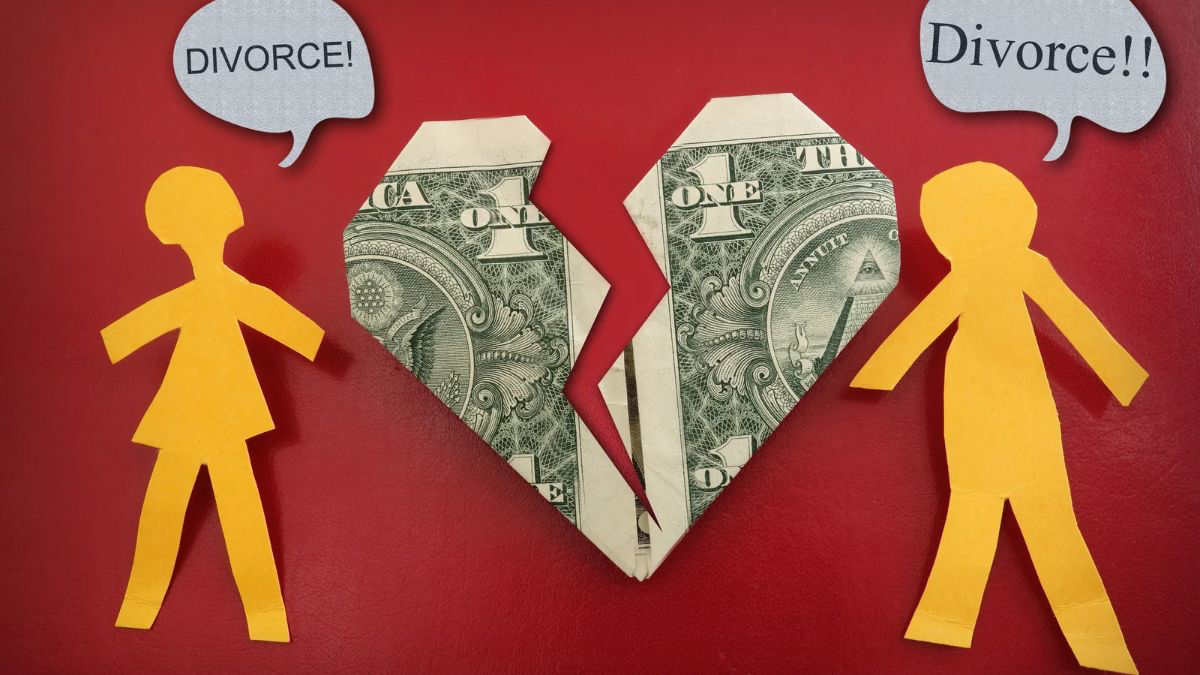
Divorce Day: Survive the January Breakup Surge
The holiday lights are packed away, the last of the festive leftovers are gone, and a quiet chill has settled in not just outside, but between you and your partner. The forced smiles and cheerful gatherings of December have given way to a tense silence. If this sounds familiar, you’re not alone. This phenomenon is so common that legal professionals have a name for the first working Monday of the year: ‘Divorce Day.’
It’s not a day to celebrate, but a trend marking the highest number of divorce inquiries all year. The common misconception is that a single holiday argument is the cause. The truth is often deeper and more complex. This article will explore the psychology behind the January breakup surge, the common challenges couples face, and proven, actionable strategies to help you not just survive, but strengthen your relationship.
What is ‘Divorce Day’ and Why Does it Happen?
‘Divorce Day’ isn’t an official holiday, but an industry term coined by lawyers and relationship experts to describe the predictable spike in separation and divorce filings that occurs right after the New Year. The timing is no coincidence; it’s the result of a perfect storm of emotional, financial, and psychological factors.
A study by University of Washington researchers found that divorce filings consistently peak in March and August, following winter and summer holidays. January is the month the process begins. The reasons are deeply human:
- The “Last Hurrah” Mentality: Many unhappy couples decide to hold on through one final holiday season for the sake of the children or to avoid family drama. They put on a brave face, determined to create one last happy memory before making a difficult decision.
- Holiday-Induced Stress: The pressure to have a “perfect” holiday can be immense. Financial strain from gift-giving, navigating complex family dynamics, and the sheer exhaustion of the season can amplify existing cracks in a relationship, pushing them to a breaking point.
- The “New Year, New Me” Effect: January is a time for reflection and resolutions. This “clean slate” mentality encourages people to make significant life changes they’ve been contemplating. For many, this includes re-evaluating their happiness and deciding they can no longer stay in an unfulfilling relationship.
The Telltale Signs: Are You Headed for a January Split?
Consider Maya and Tom. They spent December rushing between family events, shopping trips, and school plays. On the surface, their holiday photos were perfect. But behind the smiles, they were barely speaking. Every conversation was transactional about schedules, bills, or who was buying which gift. The emotional intimacy was gone, replaced by a shared sense of obligation. The New Year didn’t bring relief; it brought the quiet, crushing realization that they were living separate lives under the same roof.
Their story highlights common struggles that surface during this period:
- Ignoring the Core Issues: Using the holiday chaos as a distraction from underlying problems like poor communication, mismatched values, or emotional neglect.
- Letting Resentment Build: Small annoyances and unspoken frustrations fester under the pressure to “be happy,” leading to an emotional explosion in January.
- Emotional Disconnection: Feeling more like roommates than partners, where daily life is a series of logistical tasks rather than shared experiences.
- The Aftermath of Unrealistic Expectations: Hoping the “magic of the season” would somehow fix deep-seated issues, only to be disappointed when it doesn’t.
How to Survive the Surge: Proven Strategies for Your Relationship
If you’re feeling the post-holiday strain, don’t panic. This can be a turning point, not an ending point. Rebuilding connection requires intention and the right tools.
1: Have the “State of the Union” Conversation
Inspired by the work of Dr. John Gottman, a leading relationship researcher, schedule a calm, dedicated time to talk. This isn’t about blaming; it’s about expressing your own feelings and needs. Use “I” statements, such as “I felt lonely during the holidays,” instead of “You ignored me.”
2: Reconnect with Small, Daily Actions
Grand gestures are nice, but lasting connection is built in small moments. The Gottman Institute calls this “turning toward” your partner’s bids for connection.
- Practical Example: When your partner mentions something about their day, put down your phone, make eye contact, and ask a follow-up question. This simple act says, “I hear you, and you matter to me.”
3: Understand Your Attachment & Love Languages
Are you speaking the same emotional language? According to Dr. Gary Chapman’s theory of Love Languages, we all give and receive love differently (Words of Affirmation, Acts of Service, Receiving Gifts, Quality Time, Physical Touch). A mismatch can lead to feeling unloved despite your partner’s best efforts. Taking a quiz together can be an eye-opening and fun way to understand each other’s needs better.
Helpful Tools & Apps for Modern Couples
Sometimes, you need a little outside support. These resources are designed to provide professional guidance and structured exercises right from your phone:
- Lasting (https://getlasting.com): This science-based app acts like a guided therapy program in your pocket, offering personalized sessions and exercises to help you understand your dynamics and build a healthier relationship.
- Talkspace (https://www.talkspace.com): If you think you could benefit from professional counseling, Talkspace makes it accessible and convenient. You can connect with a licensed therapist for couples therapy via text, audio, or video messages.
- Gottman Card Decks (https://www.gottman.com/couples/apps/): A free and simple app from the world-renowned Gottman Institute. It provides thousands of questions and ideas for everything from expressing appreciation to deepening intimacy, making it a perfect tool for daily connection.
What the Experts Say
You’re not navigating this alone. The phenomenon of the January breakup surge is widely recognized by experts who offer valuable insights.
As relationship expert Dr. Kate Balestrieri explains in a Psychology Today article, the end-of-year period forces a “reckoning” for many couples. The quiet moments after the storm of activity “can make it hard to ignore the distance or conflict that may have been brewing.”
Similarly, articles on Verywell Mind emphasize that communication breakdowns are often the root cause. Experts agree that the first step is always to move from silent resentment to open, albeit difficult, conversation. The goal is not to “win” an argument but to understand your partner’s perspective.
Conclusion
The concept of ‘Divorce Day’ can be frightening, but it doesn’t have to be your story. The post-holiday period is a powerful opportunity to pause, reflect, and consciously decide what you want for your future together. By acknowledging the strain, communicating with empathy, and using the right tools, January can become a time not for separation, but for a profound and lasting reconnection. It’s a chance to build a stronger foundation for the year ahead.
Don’t let the silence win. Start a conversation today.
- Share your thoughts on surviving the post-holiday slump in the comments below.
- Explore the recommended tools to strengthen your relationship and foster a deeper connection.
5. FAQ Section (SEO Boost)
No, it’s not an official designation. It’s an informal term used by legal professionals to describe the first working Monday in January, which historically sees a significant increase in inquiries about divorce after the holiday season.
The biggest mistake is avoidance. Many couples feel the tension but hope it will just go away. This “conflict avoidance” allows resentment to build. Proactively addressing issues, even when uncomfortable, is crucial for long-term health.
For many couples, yes. Research has shown that online therapy can be just as effective as traditional in-person sessions for addressing a wide range of issues. Its main benefits are accessibility, convenience, and affordability, which can make it a great first step. You can learn more at Talkspace (https://www.talkspace.com).
Absolutely. The consideration of a breakup often serves as a wake-up call that forces both partners to confront serious issues they may have been ignoring. If both individuals are committed to the hard work of therapy, improved communication, and intentional reconnection, the relationship can emerge stronger and more resilient than before.
Ask an open-ended question and truly listen to the answer. Instead of “How was your day?” (which usually gets a one-word answer), try something from the Gottman Card Decks app, like “What’s one thing you’re looking forward to this week?” or “What’s a small, happy memory we share?” It opens the door for a real conversation.

Jennifer Blake, a mental health expert, relationship advisor, and author at CoupleUni.com, specializes in guiding individuals through the emotional journey of healing from breakups, heartbreak, and the intricacies of modern love. With a compassionate yet practical approach, she empowers readers to rebuild their confidence, embrace self-growth, and find resilience after loss.